

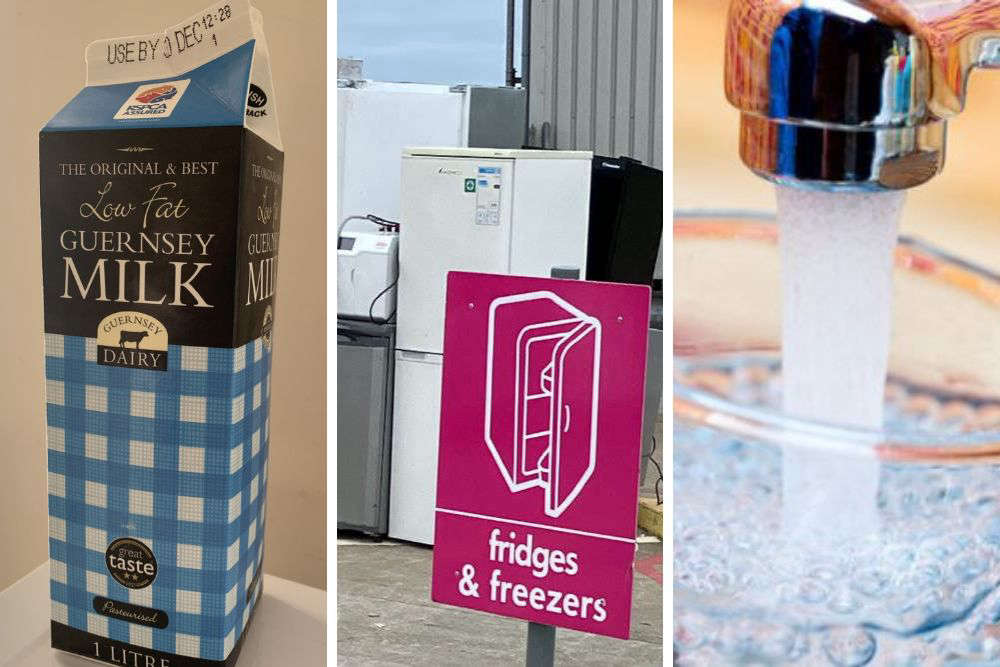
The cost of some States owned and run services and products will rise this month, including essentials like milk and tap water.
The price rises were announced by STSB or its trading assets, like Guernsey Water, before Christmas, but come into effect in this month.
Guernsey Water says a need to invest in, and maintain, its 14 reservoirs, three treatment works and more than 500km of pipes mean domestic bills will go up by between £5 to £7 a month, nearly double the rate of inflation.
Steven Langlois from the utility says it's essential work that's costing far more these days:
“It requires continual investment to maintain, renew and where necessary improve these facilities. All these assets require replacement over time, and for that we must continually look many years ahead. Unfortunately, the cost of that has risen enormously over the past two years, for reasons that are outside of our control.”

This coming weekend (7 January) the gate price charged to Guernsey milk wholesalers - those who operate milk rounds and the shops and stores - will increase by inflation. Wholesalers have the option to absorb the price rise or pass it one but often it's the latter, meaning a litre could cost in excess of £1.80 next week. This will make it the most expensive milk in europe.
So far, recycling large electrical household items at Longue Hougue has been free, but from now on, a charge will be levied. Fridge freezers will cost £30, washing machines £20 and TVs and computer monitors £10.
Sarah Robinson from Guernsey Waste sees the charges as fair;
“If someone is spending several hundred pounds on a new appliance, we think it is reasonable they contribute to the cost of dealing with their old one. The charge is likely to represent a very small proportion of their total outlay and will reduce the funding which the taxpayer is currently having to provide.”
Guernsey Waste, which runs the facility, is projected to lose £500,000 this year and estimates the charges will recoup £150,000.
The price of green stickers for 90 litre bin sacks go up by 15 pence to £3.22.
Postage prices will change tomorrow (3 January) but some rates will either stay the same or reduce in price. As an example, a small parcel weighing up to 1.2kg will drop from £13 to £10.50 and a medium sized parcel will reduce to the same amount.
Boley Smillie, who's in charge of Guernsey Post, says the new prices reflect the way the post is used these days:
"Standard parcel rates to the UK will either reduce in price or remain frozen, and that will be funded by a combination of internal efficiencies and the extra revenue we raise from an increase in the price of letters.”
Online returns weighing up to 10kg will be charged at a flat rate of £5. A letter stamp to the UK will rise to £1.20.
 £130,000 needed to treat Guernsey toddler's brain injury
 Guernsey homelessness charity supports more than 125 people in first year
 Guernsey Pancake Day fundraiser cancelled
 American descendants encouraged to visit Guernsey
 Boat fare waived for entertainers travelling to Guernsey
 More than 250,000 visitors to Guernsey in 2025
 First Michelin star awarded in Guernsey in more than a decade
 Guernsey Fire & Rescue Service needs "investment and modernisation"